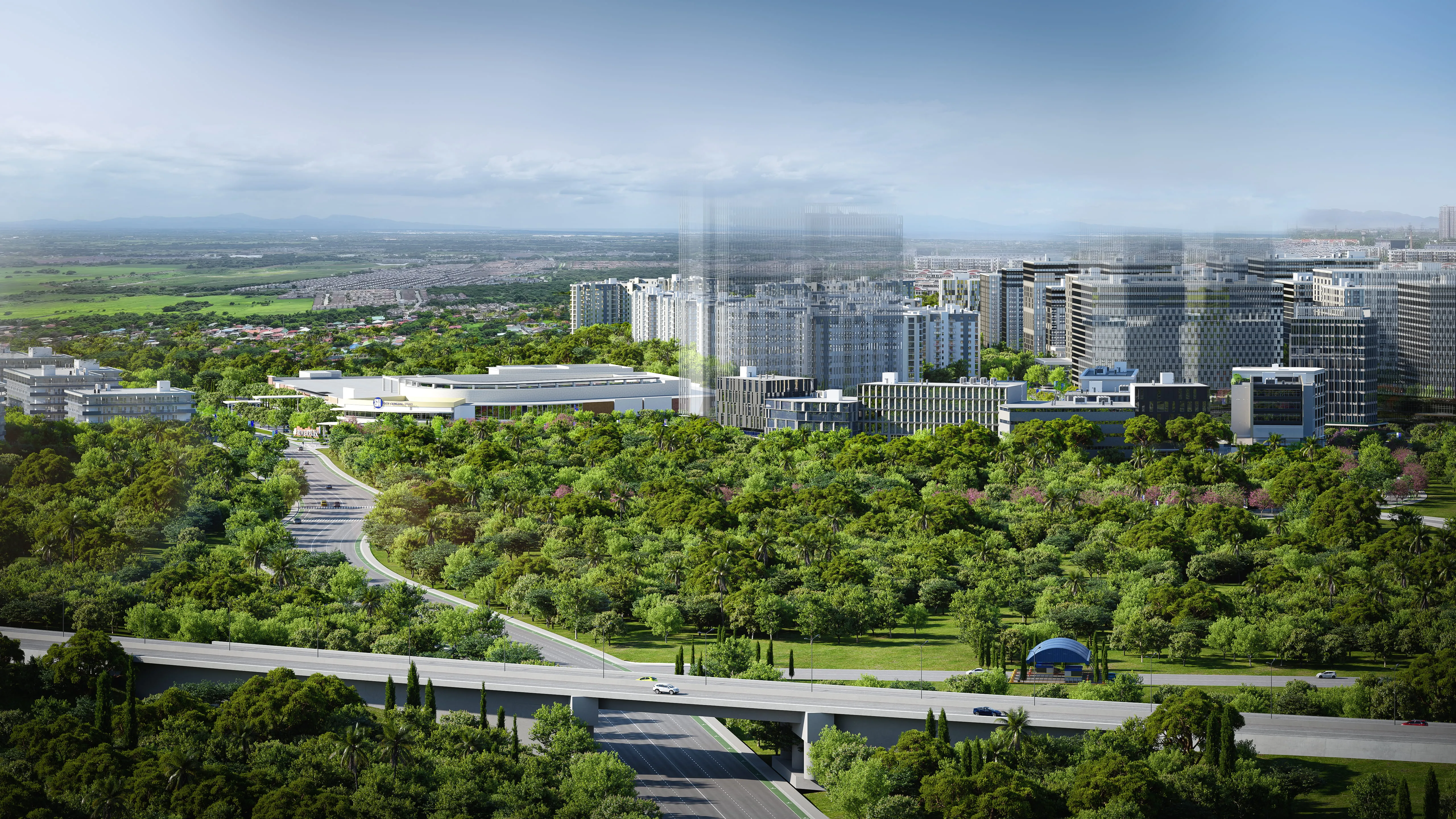
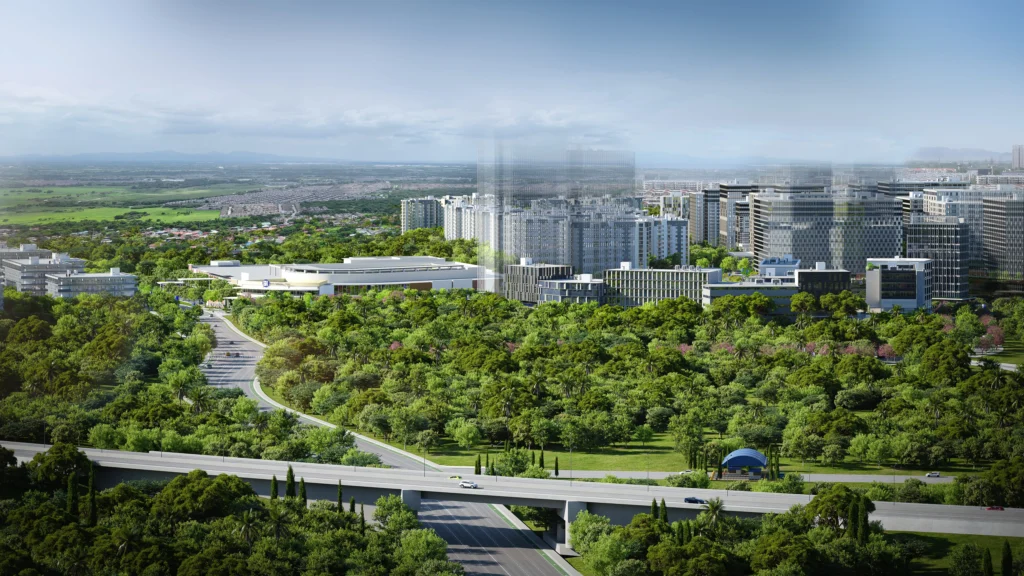
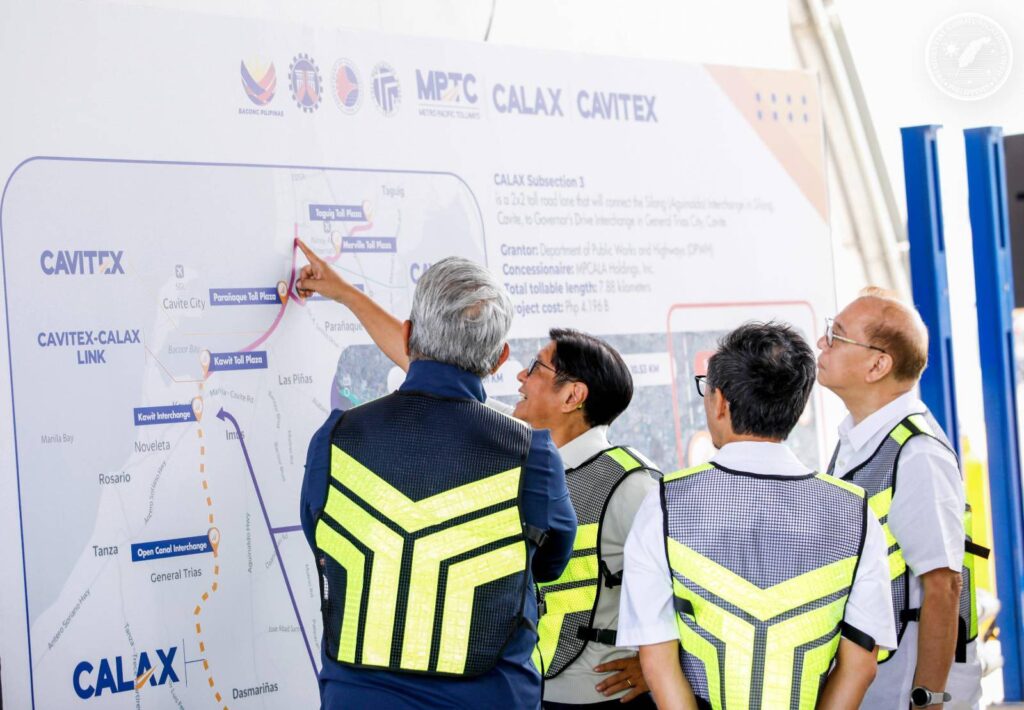
With the CALAX Open Canal Interchange just minutes from Riverpark North, residents can look forward to improved connectivity between Makati CBD and the rapidly developing city of General Trias, Cavite. (Artist's Perspective: Federal Land)
As cities continue to grow, residents are looking for communities that offer more than housing. Increasingly, they seek places that integrate mobility, commerce, green spaces, and opportunities within a connected environment. This shift is prompting developers to move beyond standalone projects and create communities designed to support various lifestyles.
Federal Land NRE Global Inc. (FNG), a joint venture between Federal Land, Inc. and Japan’s Nomura Real Estate Development Co., Ltd., approaches this challenge from a specific vantage point: the belief that a well-designed community should be able to evolve with a growing family, a shifting career, and different life chapters.
This long view is what Nomura Real Estate, one of Japan’s most established developers with decades of community-building in Tokyo and beyond, brings to every project it undertakes. At FNG, that expertise meets Filipino insight into how people actually live, work, and belong. The result shapes both of FNG’s flagship developments: The Observatory in Mandaluyong and Yume at Riverpark in General Trias, Cavite.
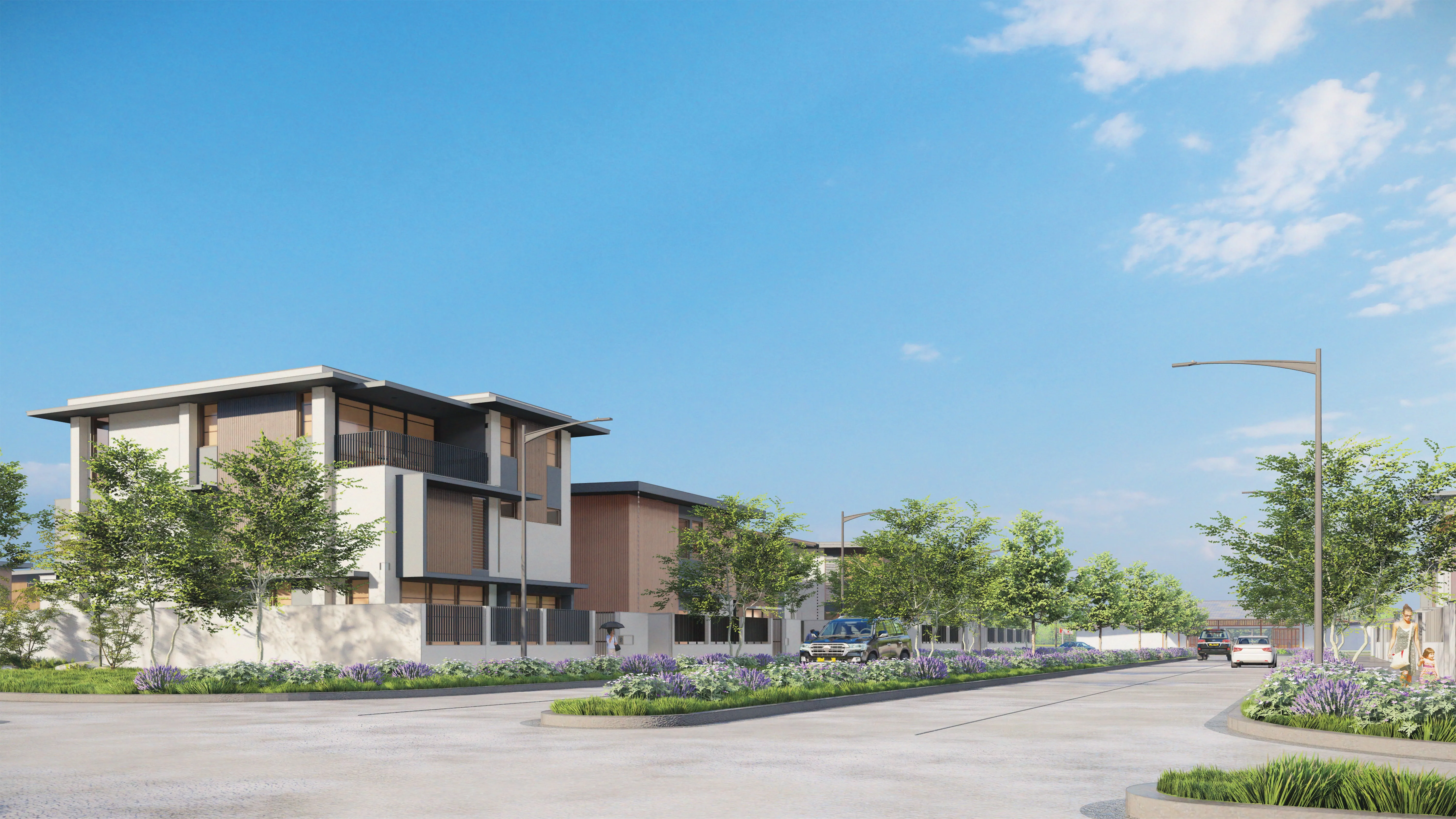
Residents can live with ease, supported by well-planned spaces in a modern Japanese contemporary home (Artist’s Perspective: Federal Land)
Looking up in Mandaluyong As one of Metro Manila’s most centrally located cities, Mandaluyong remains a practical choice for professionals and families seeking convenient access to business districts, transport networks, and everyday essentials. Located within the Mandaluyong-Pioneer Central Business District Zone, The Observatory is FNG’s 4.5-hectare mixed-use development that brings residential, commercial, retail, and lifestyle components together in one community.
Designed through the collaboration of Filipino and Japanese experts, The Observatory reflects efficient planning shaped by local insight into how Filipinos actually use their homes. Flexible living spaces, including customizable storage designed to adapt as needs change, are further complemented by community-oriented amenities such as a business lounge, entertainment room, and yoga studio, allowing for connection through shared interests. Open, pedestrian-friendly spaces extend that sense of community and create a more connected urban experience.
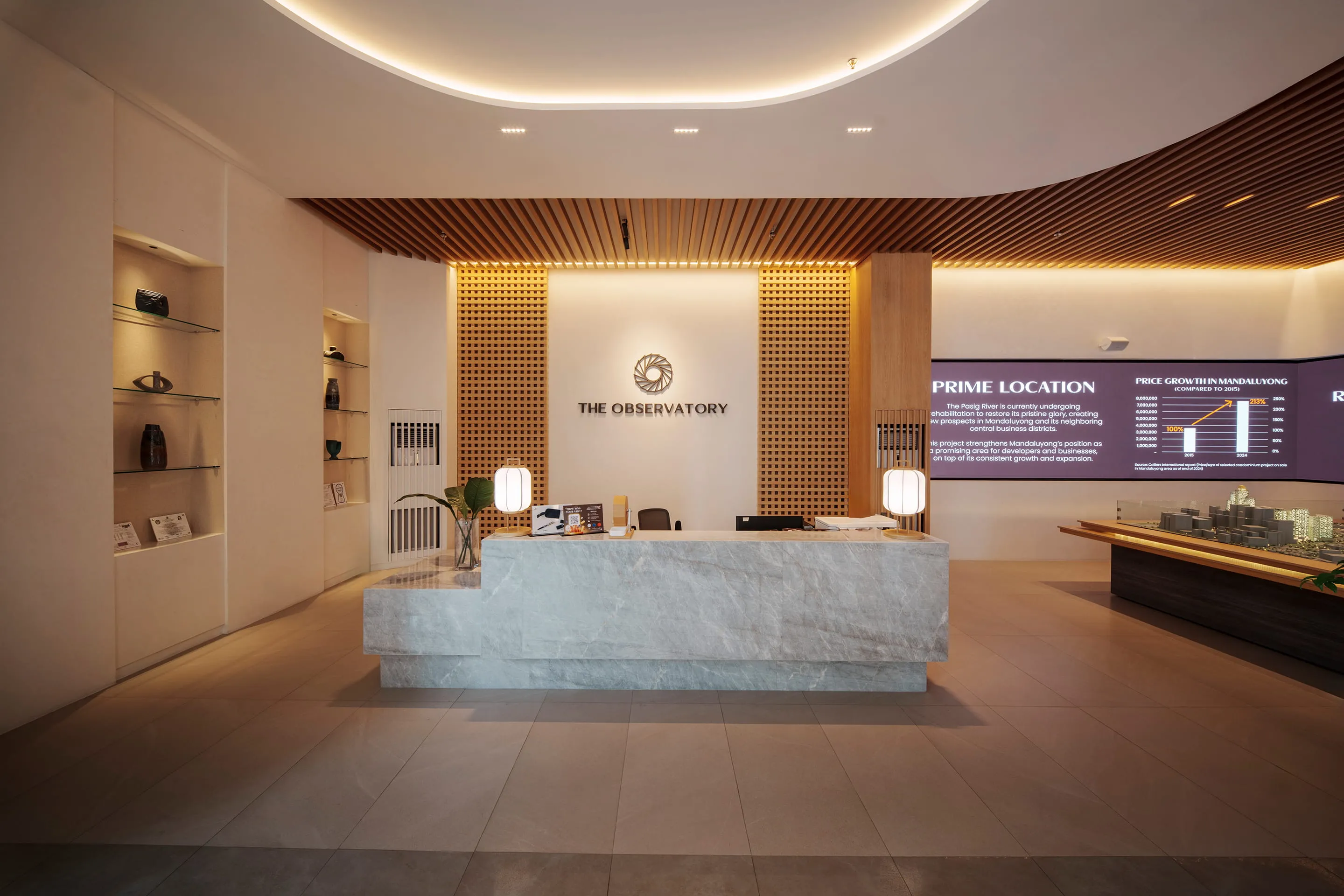
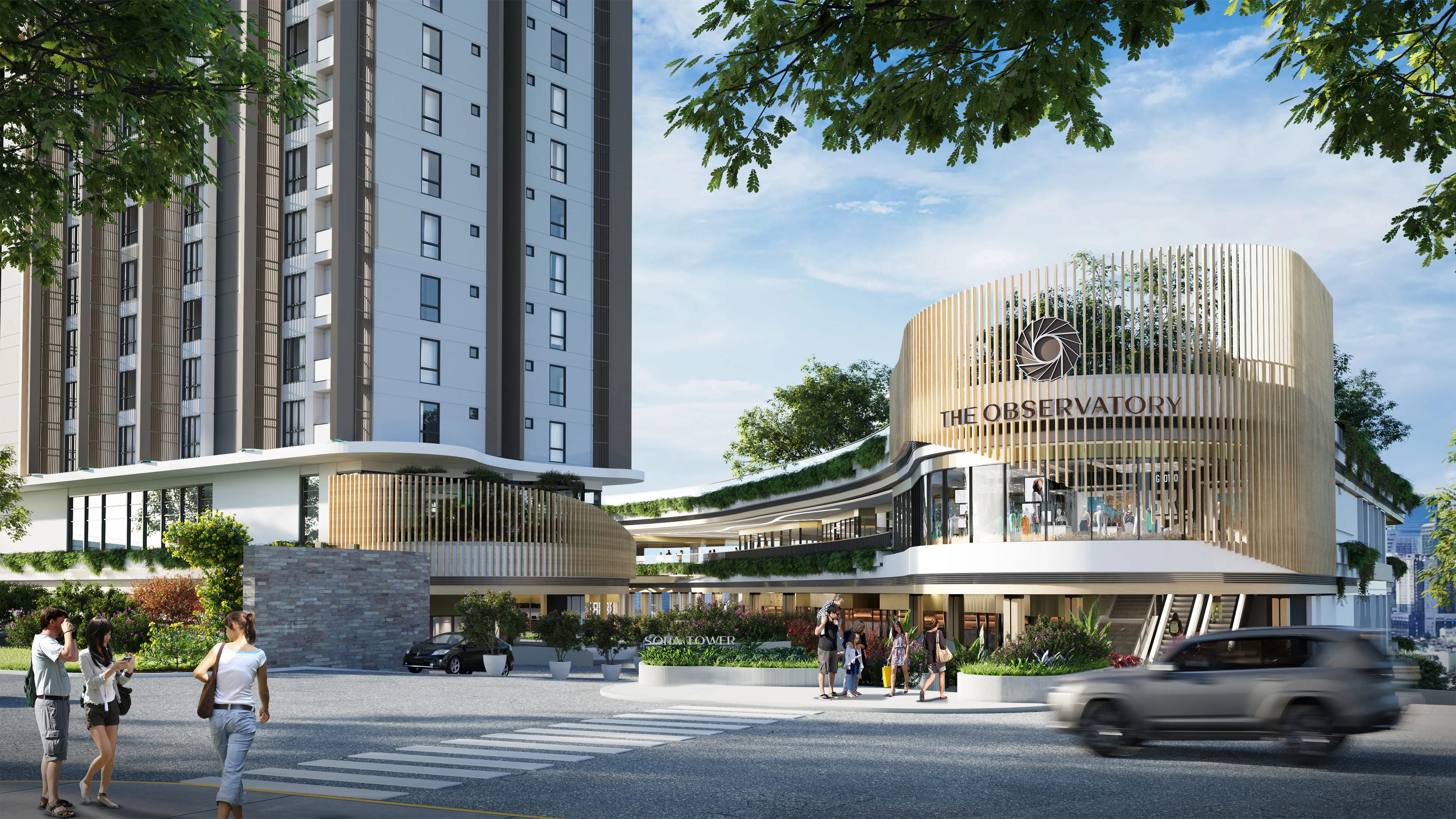
The Observatory Sales Pavilion along Pioneer Street is where you can experience the vision behind Mandaluyong’s newest landmark address. (Photo: Federal Land)
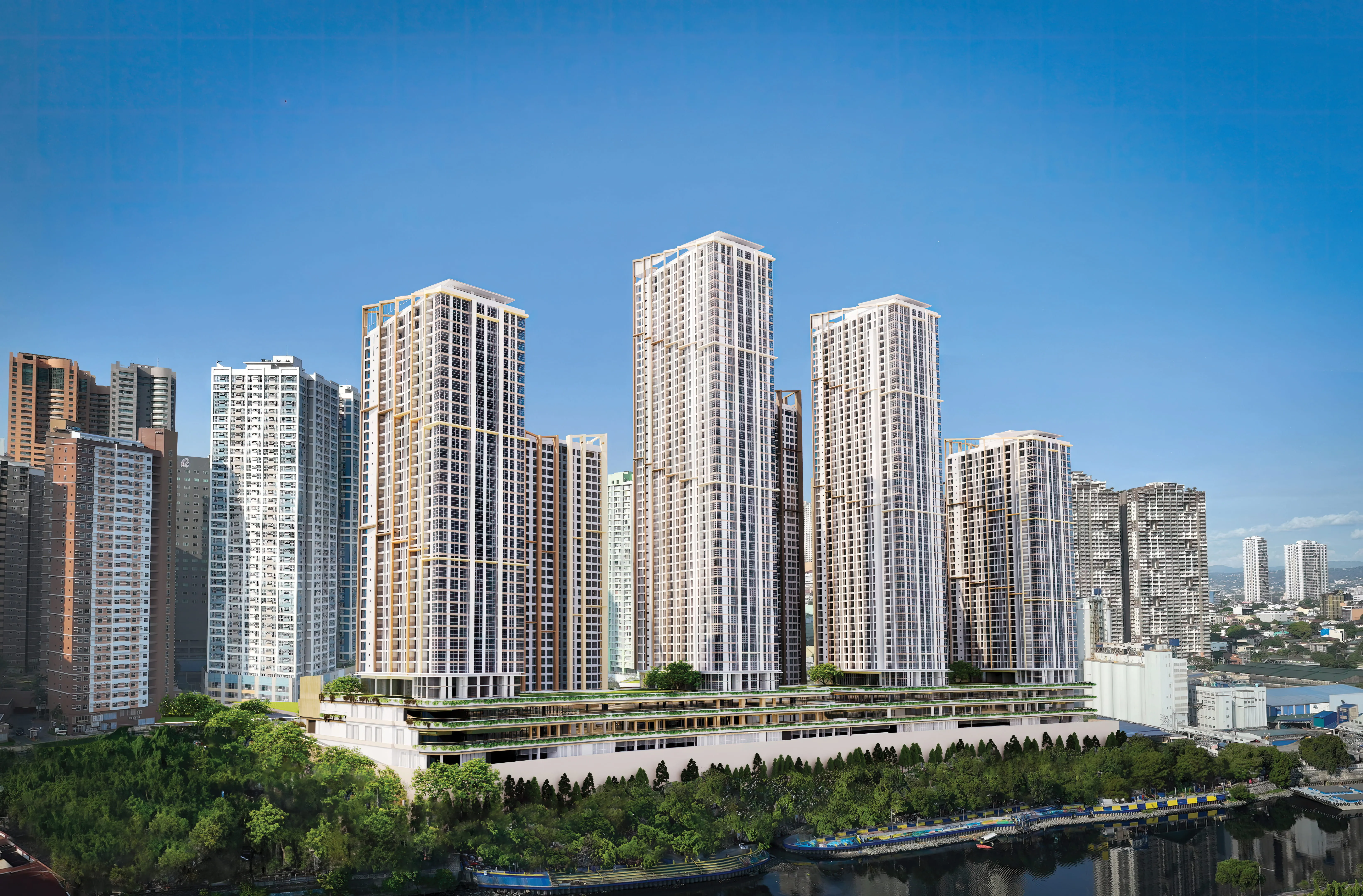
Beyond residences, The Observatory is planned as an environment where homes, workplaces, retail offerings, and leisure spaces share the same address. Its first residential tower, Sora, brings that vision to life with co-working spaces, fitness and wellness facilities, swimming pools, function rooms, and play areas.
The future has a Cavite address
While The Observatory demonstrates what integrated urban living looks like within Metro Manila, FNG is applying the same thinking at a different scale in Cavite. At the heart of Riverpark—a master-planned estate in General Trias—is Yume at Riverpark, an 18-hectare residential community built around walkability, open spaces, and everyday convenience.
At The Observatory, retail, dining, and everyday essentials are just steps away, creating a vibrant destination where convenience naturally becomes part of daily life. (Artist’s Perspective: Federal Land)
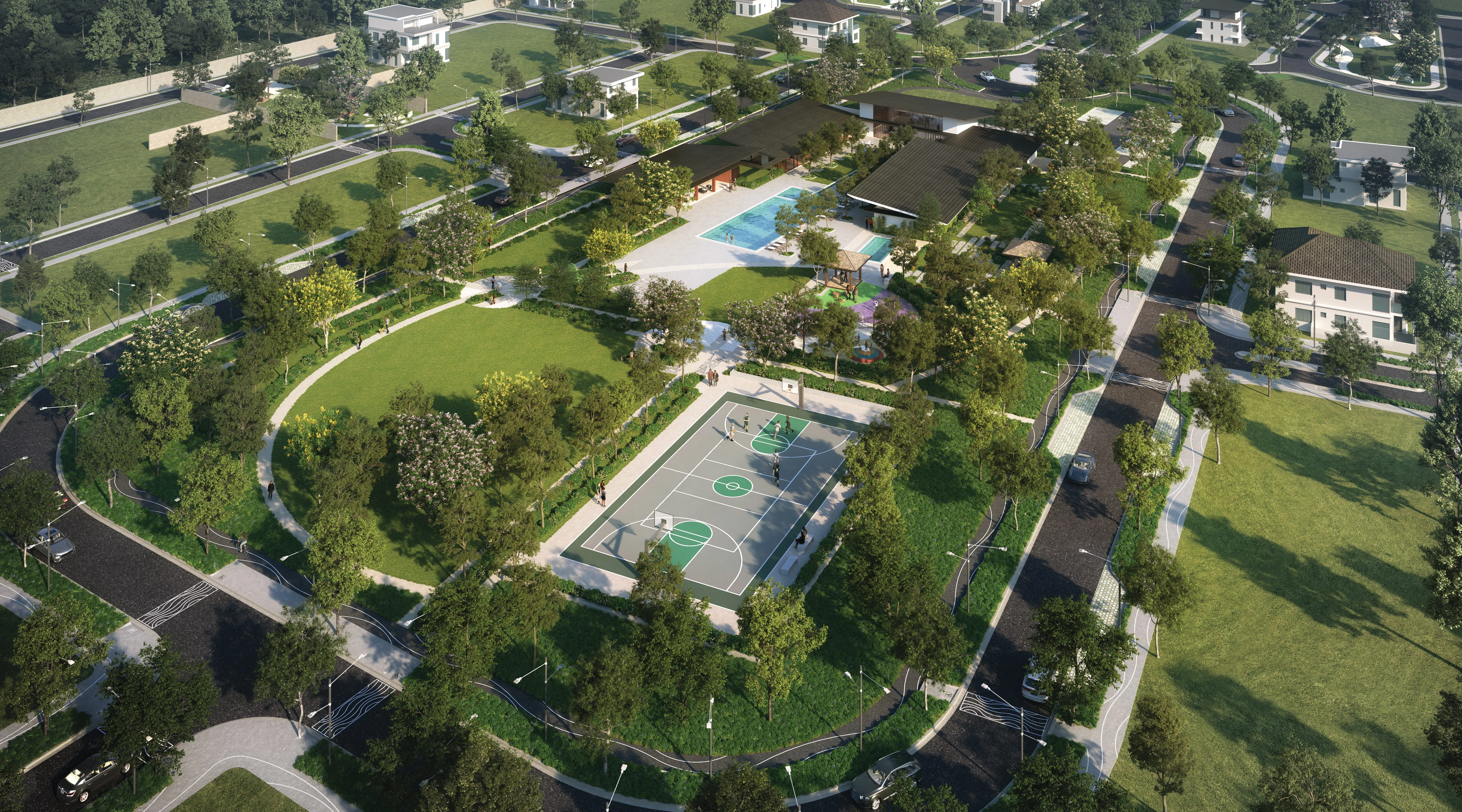
With a clubhouse developed in collaboration with Japanese design firm UDS and Filipino architect Ed Calma, Yume at Riverpark is where the cross-cultural approach becomes tangible: in streets wide enough for children to move through freely, in parks varied enough to serve a morning run, a quiet afternoon, or an evening walk with the dog, and in homes designed to be functional while being elegant. It forms part of a larger ecosystem supported by access to jobs, education, commerce, and improved infrastructure, including CALAX, the Cavite Bus Rapid Transit System, and the planned Cavite-Tagaytay-Batangas Expressway.
Riverpark continues to attract major investment. The UNIQLO Logistics Facility—the brand’s largest logistics hub in Southeast Asia—has chosen the estate as its regional base, signaling long-term confidence in the area’s economic trajectory and bringing employment and commercial activity closer to residents. SM City General Trias and planned educational institutions will bring more opportunities closer to residents in the years ahead.
Poised to redefine the Mandaluyong skyline, The Observatory brings together a Philippine eagle-inspired façade, thoughtful design, and a prime city address. (Artist’s Perspective: Federal Land)
FNG’s residential portfolio within Riverpark is also expanding. Soon rising within Riverpark Gateway in Imus is a new Japanese-inspired condominium designed for young professionals and couples, surrounded by parks, open spaces, and everyday conveniences.
Though serving different markets and locations, The Observatory and Yume at Riverpark reflect the same conviction: that the best communities are built not just for the people moving in today, but for the lives they’ll be living long after.
Life at Yume at Riverpark offers proximity to essentials and fun, fit for every Filipino’s life stage. (Artist’s Perspective: Federal Land)
About the Author
Maria Paulina Bullanday - Calinga
Digital Marketing Manager
Paulina is Digital Marketing Manager at Federal Land NRE Global, Inc., where she leads data-driven strategies across SEO, PPC, social media, content, campaign management, and CRM. With over a decade of experience spanning real estate and multiple industries, she brings both strategic depth and executional precision to every marketing initiative.
An MBA graduate of the Ateneo de Manila Graduate School of Business and a University of the Philippines alumna, Paulina brings rigorous thinking to both strategy and storytelling. Her foundation in communications is underscored by a First Place award in Editorial Writing at the National Schools Press Conference.
Registry of Deeds Mandaluyong: A Quick Guide for Property Owners
Read more
Renewing Your License in Cavite: Here’s the Easy Way!
Read more
The strength of two foundations
Read more
CALAX Subsection 3 is Open: Why Now is the Best Time to Invest in Cavite Real Estate
Read more
Best Travel Agencies in Mandaluyong: Services & Packages
Read more
Frequently Asked Questions
Find answers to your queries from the categories below.
General Question
Can a foreigner purchase a condominium unit in the Philippines?
Yes, foreigners are allowed to own condominium units in the Philippines, as stated in Section 5 of Republic Act No. 4726, otherwise known as the Condominium Act.
Can I name the Unit purchase under my child who is a minor?
Yes, on the condition that the parent or legal guardian signs the contract on behalf of the minor. Please contact us for more details.
Can I upgrade my unit purchase (e.g., change to a bigger unit, from 1BR to 2BR)?
Yes, you can upgrade your purchase. The Developer will first check if the preferred unit is still available. If it is still available, the Buyer will be required to submit a written request. Once the request is approved, a new contract will be drawn up for the upgraded unit.
Am I allowed to downgrade my purchased unit?
Yes. The process to downgrade is similar to that of upgrading a unit purchase. However, all expenses incurred by the Developer (commission, incentives, penalties, downgrading fee, etc.) shall be deducted from the Buyer’s original contract price, in favor of the Developer.
Payments
What are the available payment terms?
There are several payment terms available – Cash Term, Bank Financing Term, Deferred Cash/Installment Term, and No Down Payment Term. Please contact us for more details as the availability of these payment terms also vary per project.
Can I change my initially selected payment term
Yes, you may change or restructure your selected term, but this will also be subject to Management’s approval and we will be charging a minimal processing fee.
Can I pay in foreign currency or remit payment?
Yes, we accept payment in US dollars. The exchange rate shall be based on the date the payment is credited to the Developer’s account.
How do I pay for my monthly amortizations? Do you have specific requirements?
On or before the due date of the first (1st) monthly amortization, the Buyer is required to
submit Postdated Checks for the remaining monthly amortizations (that is, until the end of the payment term).
Will I be able to refund my payments if I cancel my purchase or default on my monthly amortizations?
The developer adheres to provisions as stipulated in Republic Act No. 6552 or the “Realty Installment Buyer Protection Act,” also known as the Maceda Law. This law states that when the Buyer has paid at least two (2) years of installments, the seller/developer shall refund 50% of the total payments made if there is a cancellation on the purchase. For payments less than two years, the provisions as stipulated in the Contract to Sell will prevail.
Reservation
What do I need to do to officially reserve a Condominium Unit?
Requirements to officially reserve a unit or lot are as follows:
1. Full payment of the Reservation Fee
2. Photocopy of one (1) valid government-issued IDs of Principal Buyer/s and Spouse/s (if applicable). Valid government-issued IDs with photos and signatures:
Passport
Driver’s License
GSIS ID
SSS ID
Professional Regulatory Commission ID
Tax Identification Number ID card
Senior Citizen ID
Postal ID
Photocopy of TIN ID card or BIR validated 1904 form
3. Fully accomplished and signed Reservation Application
4. Fully accomplished Buyer’s Information Sheet. For purchase under a Corporation, the following additional documents are required:
Articles of Incorporation and By-Laws (photocopy)
Secretary’s Certificate indicating the name of authorized signatory (notarized)
BIR-validated 1903 or copy of Certificate of Registration
For the authorized signatory to submit items 2 and 3 above
How long will my reservation be valid?
The reservation is valid for thirty (30) calendar days from the settlement of reservation fee. Kindly submit all the required documents to finalize the unit booking.
Will I be able to refund my Reservation Fee if I decide to cancel my reservation
No, the reservation fee is non-refundable and non-transferrable. As stated in the Reservation Application, the reservation fee will be forfeited in favor of the Developer if no succeeding payments are received.
Turn over and post-purchase
Will I be allowed to inspect the Unit before the actual turnover?
Yes, the Hand Over Team will coordinate with the Buyer on the schedule of unit inspection.
May I assign someone else to accept the Unit for turnover?
Yes, the Buyer may assign a representative to accept the unit on his behalf thru a notarized Special Power of Attorney (SPA). The SPA is also required to bring a valid ID plus photocopy.
Can I have my Unit rented out?
Yes, you may have your unit leased out.
How much is the average monthly Condominium Association Dues, and what does it cover?
Monthly Association Dues vary per project, depending on the operating expenses of the building. Association Dues are used to defray the cost of maintaining and operating the building’s common areas and facilities. These costs include administration/management fees, janitorial, security, taxes and licenses, insurances, real estate tax, maintenance of equipment water distribution, garbage collection, maintenance of sewage treatment plant, and other miscellaneous expenses.
When will the unit be turned over to me? Will there be additional requirements to have it scheduled?
The unit turnover will be scheduled when all the following conditions are met:
Full payment of the contract price (including penalties and interests, if applicable)
Complete submission of all the required sales documents (listed above)
Payment of related Advance Registration Charges (ARC).
May I request that my unit be turned over before full payment of the contract price?
No, this is not allowed. Buyers are encouraged to either avail of bank financing (with accredited banks) or in-house financing to pay the unit in its entirety.