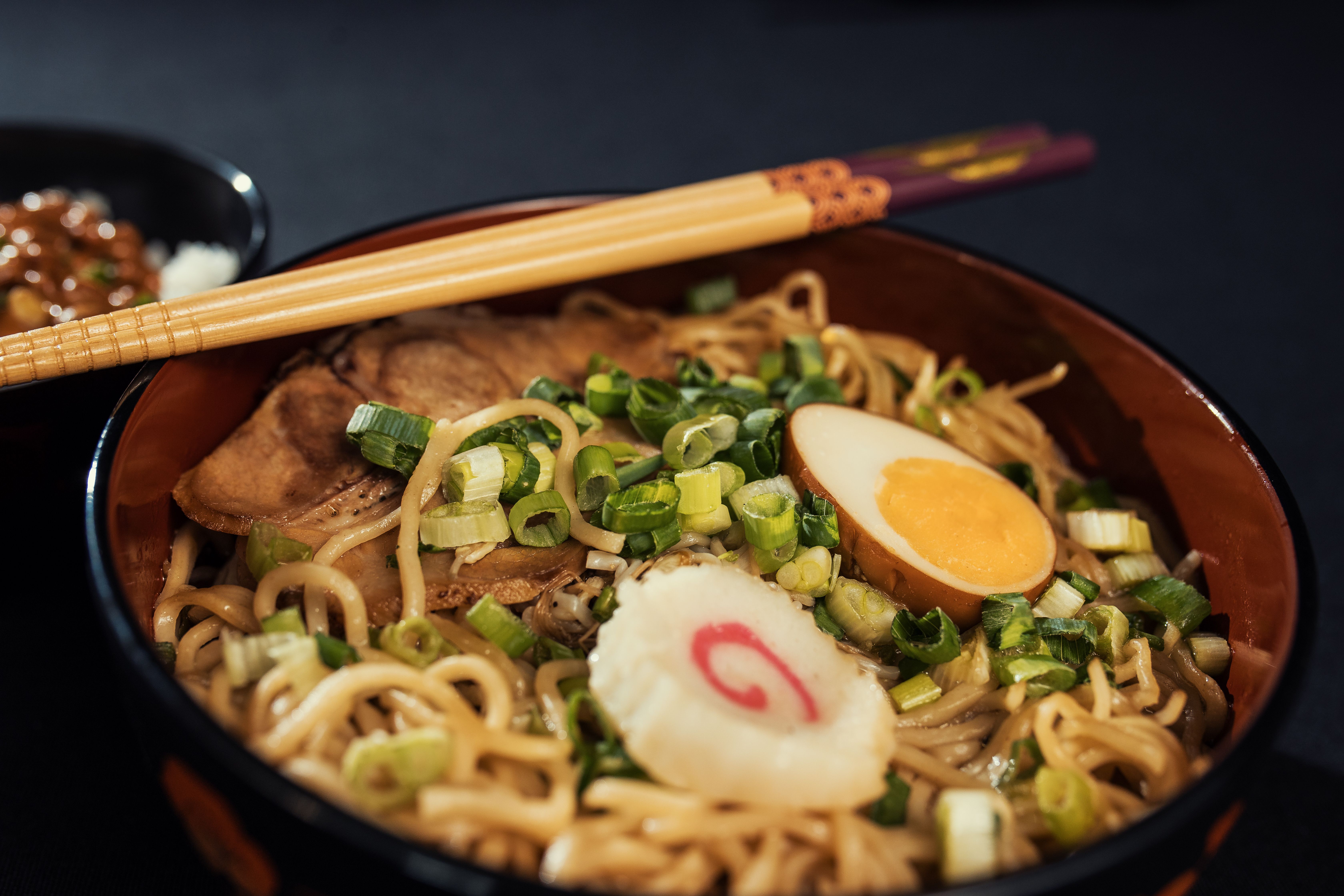
Ramen has become a true staple in the Filipino dining scene. What began as a Japanese comfort dish now fills countless tables across the metro. In Mandaluyong, ramen thrives in cozy street corners and compact restaurants that value flavor over flash. The city’s food scene offers dependable options for every craving—rich tonkotsu, light shio, or bold miso.
Locals know that few things beat a steaming bowl after work or during a rainy afternoon. This guide will lead you through the best ramen in Mandaluyong, where hearty broth and well-crafted noodles meet every kind of appetite.
Top Ramen Spots in Mandaluyong Today
Mandaluyong’s backstreets offer plenty of flavor without the mall crowds. From casual roadside stalls to minimalist ramen houses, these spots capture what locals love about comfort food done right. Whether you crave creamy tonkotsu or clean, salty shio, these bowls prove that the city’s ramen game stands tall.
Street Ramen
Located along Arayat Street, Street Ramen serves hearty bowls that quickly win regulars. Their Chashu Ramen, rich with tender pork and flavorful broth, costs about ₱355. The Miso Regular, priced around ₱200, is another favorite for its balance of warmth and umami.
Portions are generous, and the setup is modest. Diners often return for the same reason—they know they’ll get a satisfying bowl of ramen in Mandaluyong every time.
Inochiwa Ramen House
Found on Maysilo Circle near Boni Avenue, Inochiwa Ramen House is a reliable late-night stop. Its Tonkotsu and Shoyu broths highlight savory, well-balanced flavors suited to Filipino tastes. Prices range from ₱169 to ₱209 per bowl, depending on size and add-ons.
The space feels casual, relaxed, and welcoming to solo diners and small groups alike. If you want a good meal without the rush or noise of a mall, this spot delivers.
Ramen Kuroda
Ramen Kuroda continues to draw a loyal following at its Mandaluyong branch near Reliance and Sheridan. Known across Metro Manila for its consistency, this restaurant delivers comforting bowls at a reasonable price. The Shiro ramen remains a crowd favorite because of its creamy tonkotsu broth.
Most bowls cost between ₱200 and ₱300. The clean interiors, quick service, and familiar flavors make it a dependable choice for Mandaluyong ramen regulars.
Yako Ramen House
Yako Ramen House may be lesser-known, but it has built a steady local following in Mandaluyong. The space is relaxed, with wooden accents that match its unpretentious character. Bowls feature pork-based broths and chewy noodles, often topped with flavorful chashu.
Reviews praise its generous servings and authentic, no-frills style. Prices remain affordable, making it a neighborhood staple for quiet ramen nights away from the big chains.
Ramen Bar
Located at The Hub, Greenfield District, Ramen Bar is one of Mandaluyong’s longest-running Japanese ramen kitchens. Its signature dishes include Shoyu Ramen, Tantanmen, and their bestselling RBS #1 with tender chashu and soft-boiled egg.
Prices range from ₱250 to ₱380 per bowl. It’s a relaxed spot where you can enjoy quality ramen paired with sides like karaage or gyoza. Locals frequent it for casual nights out or early dinners before the Greenfield weekend market.
Ramen Culture in the Philippines: From One Shop to a National Favorite
Ramen’s story in the Philippines began in the early 2000s, when small Japanese eateries introduced authentic recipes to Manila. The timing was perfect—Filipinos were eager for new flavors, and ramen’s combination of savory broth and springy noodles fit seamlessly into local tastes. As more chefs opened their own shops, ramen evolved from novelty to necessity.
Social media helped popularize the trend, with diners sharing steaming bowls online and inspiring others to seek their own favorites. Today, nearly every major city in Metro Manila has its own ramen community, and Mandaluyong’s central location keeps it at the heart of this movement. From minimalist counters to late-night food corners, the city embodies how ramen culture thrives when tradition meets accessibility.
Where Comfort Meets Craft
Mandaluyong’s ramen scene offers both reliability and variety. You’ll find bowls for every mood—rich tonkotsu for comfort, spicy miso for energy, and clear shio for light meals. Whether you stick to trusted names like Ramen Kuroda or try neighborhood favorites like Street Ramen and Yako, each bowl delivers warmth and satisfaction.
Bookmark this list for when cravings strike or when rain begins to fall over the city.
Just as Mandaluyong offers balance and flavor, thoughtfully designed communities can bring comfort to your lifestyle. Explore properties for sale in the Philippines through Federal Land NRE Global Inc., a trusted real estate company in the Philippines dedicated to building spaces that match modern living.
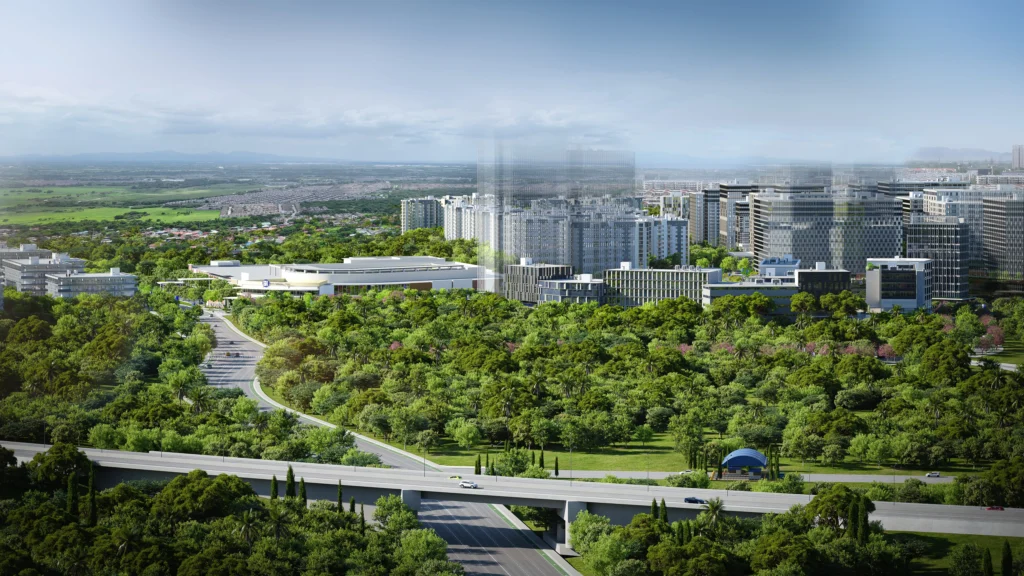
If you’re planning for the future, consider The Observatory in Mandaluyong, where connection, design, and convenience come together.
Visit FNG.ph to learn more or contact us today.