TL;DRMuseums in Cavite showcase the province’s revolutionary history, art, and culture, making it a must-visit for heritage and art lovers. Top spots include:
|
Cavite is home to some of the country’s most remarkable historical sites and museums. Beyond its battlegrounds and ancestral houses, the province offers a fascinating blend of art, culture, and history preserved in world-class institutions.
From heritage mansions that witnessed the nation’s birth to glass art galleries overlooking Taal Lake, these museums in Cavite reveal how the province continues to shape the country’s identity.
Planning a weekend road trip or organizing an educational tour? Exploring these cultural landmarks should be on your itinerary. This guide highlights Cavite’s must-visit museums, complete with detailed visiting information, insights, and helpful tips to help you plan your trip.
Must-Visit Museums in Cavite
Cavite’s legacy lives on in its museums. Each one captures a different side of the province, from revolutionary milestones to creative breakthroughs and everyday Filipino life. Whether you’re a history buff, art lover, or curious traveler, these are the top museums in Cavite to explore.
1. Aguinaldo Shrine (Museo ni Emilio Aguinaldo)
- Location: Kawit, Cavite
- Hours: Tuesday–Sunday, 9:00 AM–4:00 PM (Closed Mondays)
- Entrance Fee: Free (Donations accepted)
- Contact: (046) 484-7643 (National Historical Commission of the Philippines – NHCP)
The Aguinaldo Shrine is one of the Philippines’ most sacred landmarks, marking the very site in Kawit, Cavite, where the nation’s independence was first proclaimed on June 12, 1898.
Visitors can retrace history by stepping onto the iconic Balcony of the Proclamation and exploring the unique architectural features of the mansion. The experience includes:
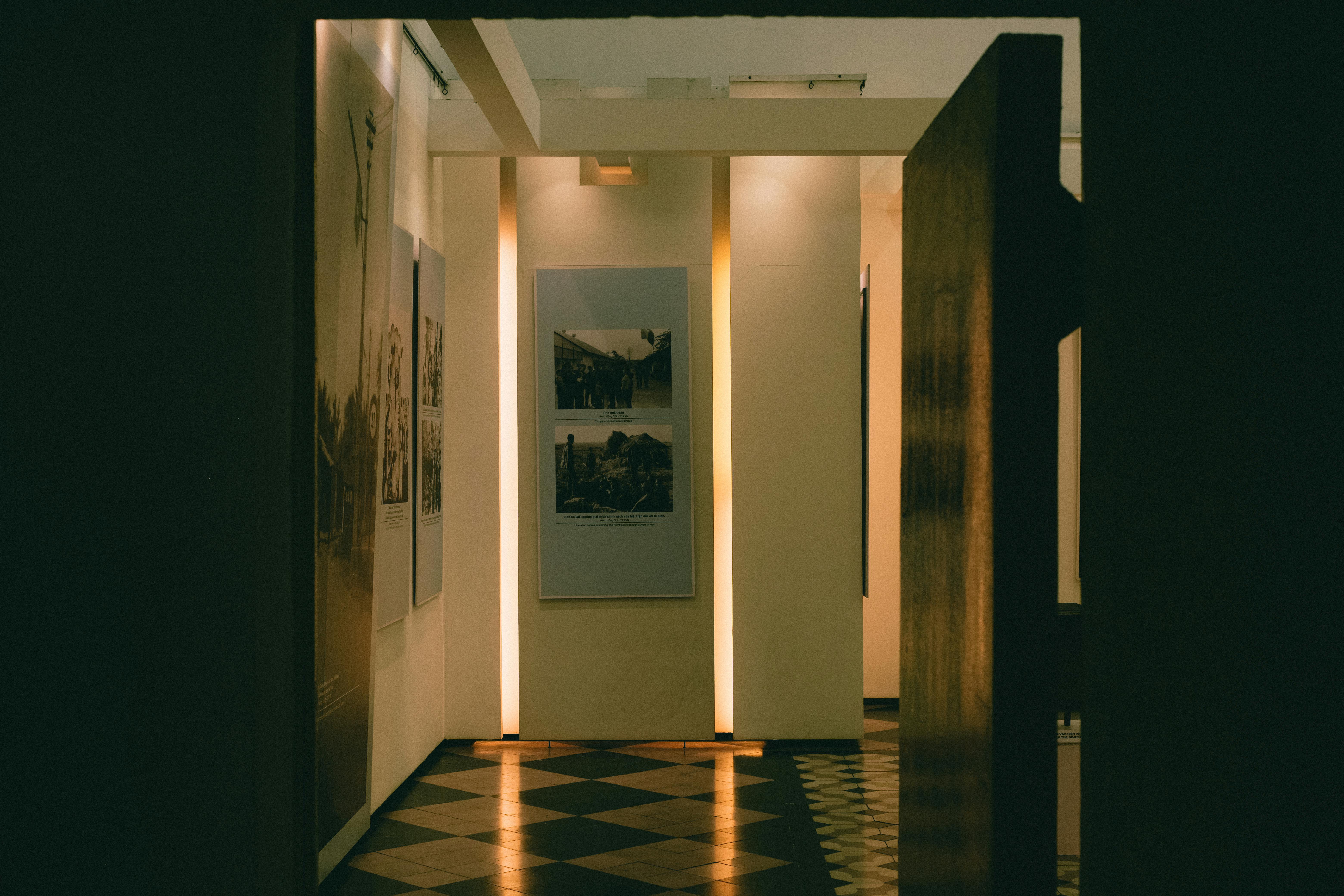
- The museum floor: Exhibits detailing the Philippine Revolution and Aguinaldo’s military and political life.
- Family rooms: A preserved look into Aguinaldo’s personal life and ornate family living spaces.
- Secret tunnels: Explore the hidden passages and tactical elements incorporated into the house’s original design.
For history enthusiasts, the Museo ni Emilio Aguinaldo offers a powerful, tangible link to the past, that allows visitors to step back into the definitive moment of Philippine independence.
2. Museo Orlina
- Location: Hollywood Subdivision Road, Tagaytay, Cavite
- Hours: Tuesday–Sunday, 10:00 AM–6:00 PM (Closed Mondays)
- Entrance Fee: ₱150 for General Admission (Discounts available for Students/Seniors with valid ID)
- Contact: (+63 46) 413-2581
Museo Orlina offers a visually stunning cultural destination in Tagaytay, providing a refreshing modern contrast to the region’s historic sites. The museum is a tribute to the celebrated glass sculptor, Ramon Orlina, the pioneer of glass art in the Philippines.
The multi-level structure is designed to interact with the natural light, making the glass sculptures seem to shift and glow as you move through the space.
- Art galleries: Explore Orlina’s mesmerizing sculptures, often inspired by Filipino landscapes, alongside rotating exhibits featuring other contemporary Filipino artists.
- Architectural contrast: The building itself is a work of art, featuring clean, modern lines that are designed to frame the surrounding environment.
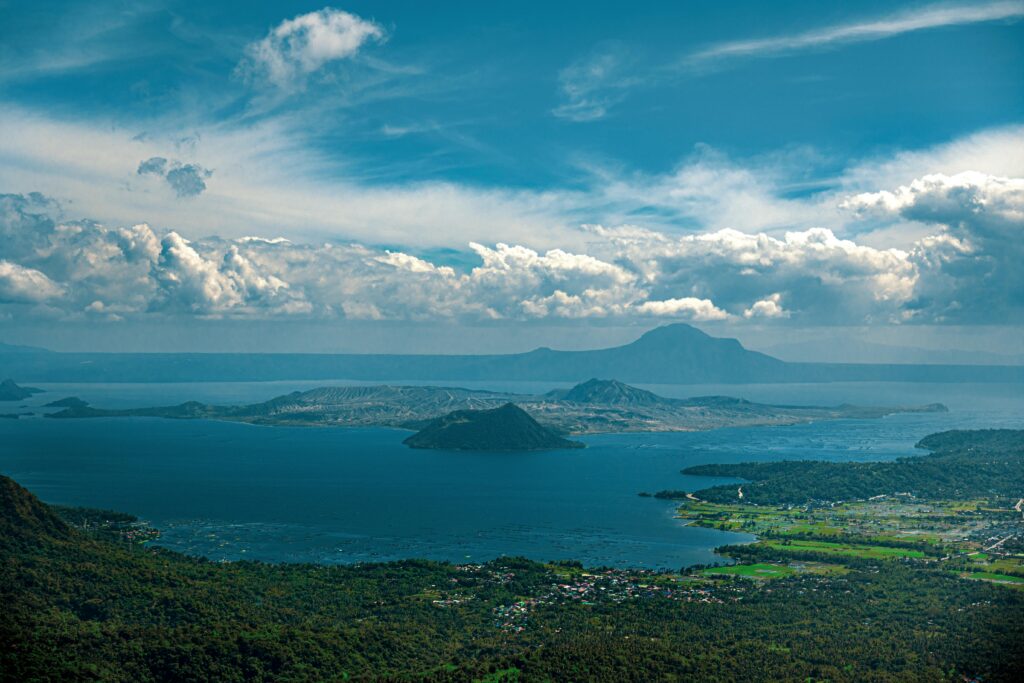
- Taal panorama: Visitors can culminate their visit on the rooftop or in the sculpture garden to enjoy breathtaking, panoramic views of Taal Lake and the Tagaytay ridge.
Museo Orlina offers a captivating experience that seamlessly blends fine art with natural beauty. Whether you are an art enthusiast or a casual tourist seeking the best views in Tagaytay, this museum is definitely worth the drive.
3. Museo De La Salle
- Location: DLSU–Dasmariñas, Dasmariñas City, Cavite
- Hours: Monday–Friday, 9:00 AM–5:00 PM (Tours typically run until 3:30 PM)
- Contact: (046) 481-1900 local 3123
- Booking: Strictly by appointment and guided tour only
Nestled within the De La Salle University-Dasmariñas campus, Museo De La Salle is dedicated to the meticulous preservation and recreation of the elegant lifestyle of the 19th-century Filipino ilustrado.
The museum building is a faithful replica of a typical bahay na bato, complete with authentic architectural details. Inside, visitors are taken on a journey through fully curated rooms featuring:
- Period furnishings: Collections of antique furniture, finely crafted decorative objects, and period clothing.
- Cultural artifacts: Religious items, fine arts, and utilitarian objects that illuminate how elite families lived, learned, and expressed devotion in the Spanish colonial era.
Since visits require booking a guided tour in advance, the museum is highly recommended for schools, organizations, and serious heritage enthusiasts seeking a deeper, more structured understanding of Philippine colonial culture and history.
4. Bonifacio Trial House Museum
- Location: Maragondon, Cavite
- Hours: Tuesday–Sunday, 8:00 AM–4:00 PM (Closed Mondays)
- Entrance Fee: Free
- Contact: NHCP / Maragondon LGU (Call ahead for updates)
Located in the remote town of Maragondon, Cavite, the Bonifacio Trial House (formally the Museo ng Paglilitis ni Andres Bonifacio) is the preserved Spanish-era structure that bore witness to the controversial military trial of the Katipunan Supremo, Andres Bonifacio, in 1897.
The museum meticulously recreates the final days of the revolutionary leader:
- Dramatized exhibits: Life-sized dioramas and preserved records bring the intense courtroom proceedings to life, depicting Bonifacio and his brother Procopio facing trial for sedition and treason.
- Historical artifacts: Exhibits display preserved documents and artifacts that narrate the complex internal struggles and betrayals within the revolutionary government.
Visiting this house is a profoundly moving experience. It’s a poignant reminder of the internal sacrifices and moral struggles that ultimately shaped the birth of the Filipino nation. Due to its remote location, it’s highly recommended to call the NHCP or Maragondon LGU ahead of time to confirm hours and accessibility.
Where History Lives
Each museum in Cavite lets you walk through history, admire Filipino artistry, and see the stories that shaped the nation. From the Aguinaldo Shrine’s revolutionary legacy to Museo Orlina’s modern creativity, each site deepens your appreciation for Philippine culture.
Before your trip, confirm museum schedules, especially for NHCP-managed site,s and plan your route to cover Cavite’s landmarks efficiently. Each visit or donation helps preserve the province’s heritage for future generations.
If you’re drawn to Cavite’s blend of history and progress, consider making it your home. FNG (Federal Land NRE Global Inc.) builds master-planned communities that combine culture, convenience, and opportunity. Explore Yume at Riverpark in General Trias, a Japanese-inspired township offering prime lots for sale in a thriving area.
Contact FNG today and find your ideal home where heritage meets modern living.
FAQ
|