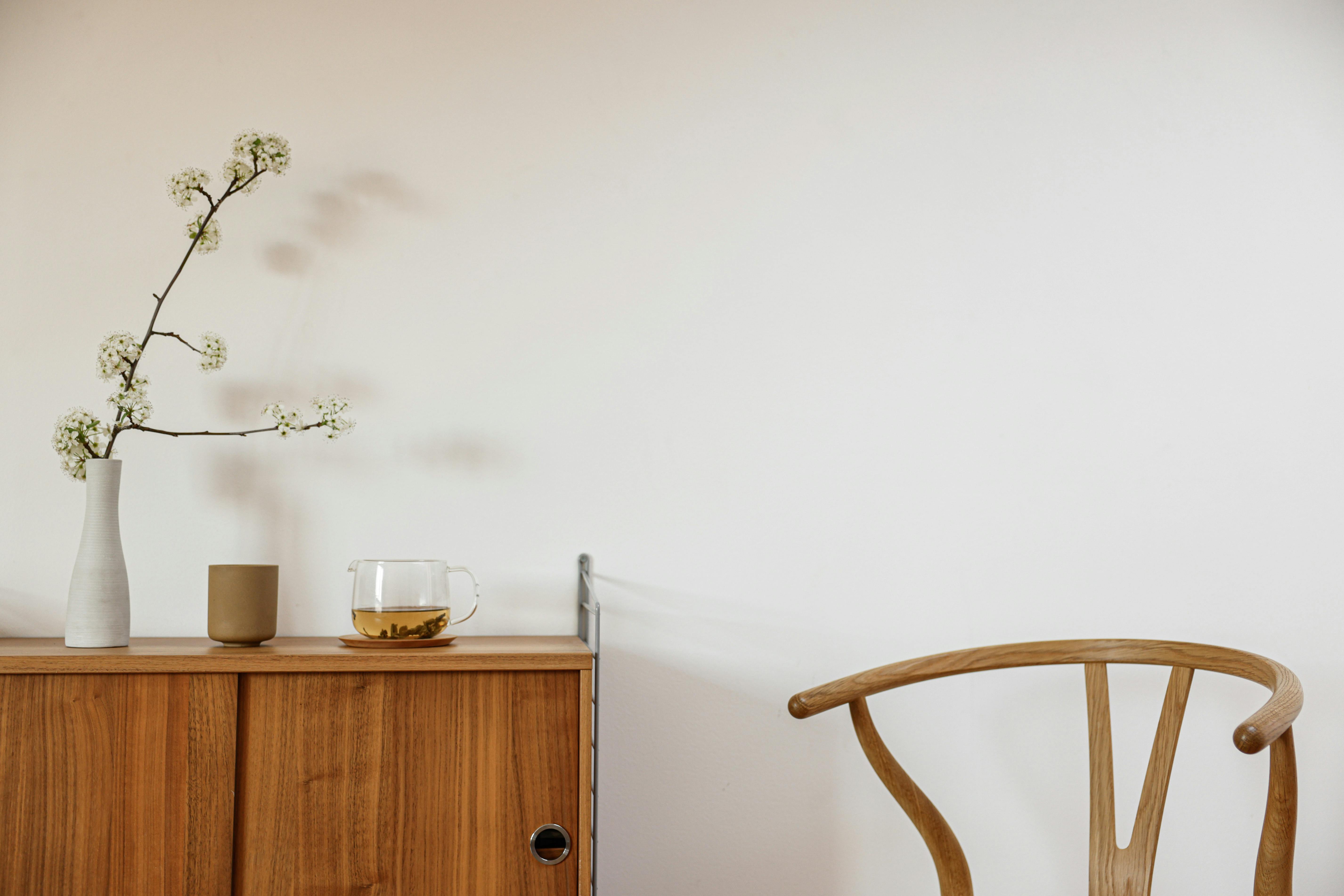
Minimalist living is a global lifestyle revolution reshaping how many think about a home. Around the world, from the efficient, space-saving apartments of Tokyo to the serene, uncluttered homes inspired by Scandinavian design, simplicity is taking center stage.
Rooted in cultural traditions like Japan’s Zen philosophy and Scandinavia’s emphasis on cozy practicality, this approach does not concern itself with aesthetics alone. Living a minimalist lifestyle is about decluttering your life, creating functional spaces that reflect your personality, and embracing a lifestyle where less truly means more.
What is Minimalist Living?
Minimalist living centers on intentionality, prioritizing what truly adds value to one’s life. It involves decluttering physical surroundings and mental noise to foster a sense of calm and clarity.
Instead of accumulating items, minimalist living encourages keeping only those things that serve a specific role and enhance your quality of life.
This approach finds its roots in Japan’s Zen philosophy, which emphasizes mindfulness, simplicity, and the beauty of emptiness. In Zen, every object has a purpose, and the art of living with less is regarded as a pathway to inner peace.
Similarly, Scandinavian design principles stress functionality and clean aesthetics in creating practical and serene homes. Its main elements are natural materials and neutral palettes.
The global appeal of minimalism lies in its simplicity and stress-reducing qualities. Creating uncluttered, intentional spaces in today’s fast-moving world enhances productivity and offers a calming refuge from daily distractions.
The Global Influence of Minimalism on Home Design
People around the world are embracing the idea of less clutter and more intentional living, transforming even the tiniest apartment into a serene retreat. Here are some of the ways minimalism has impacted global home designs.
Japanese minimalism
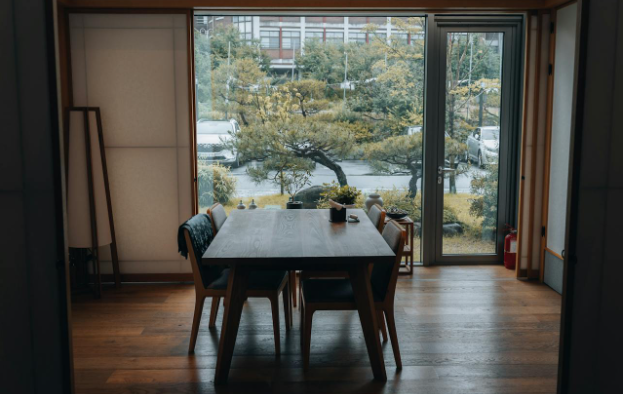
Japanese minimalism is all about making every inch count. With compact layouts, sliding doors, and multi-functional furniture, Japanese homes prioritize efficient storage and uncluttered living.
The extensive use of wood, stone, and other natural materials evokes a sense of calm and harmony, as were centuries-old Zen philosophies that teach the beauty of simplicity.
This contemporary approach inspires designers worldwide to adopt strategies that maximize space without sacrificing aesthetic appeal, proving that even the smallest living spaces can be functional and peaceful.
Scandinavian-inspired interiors
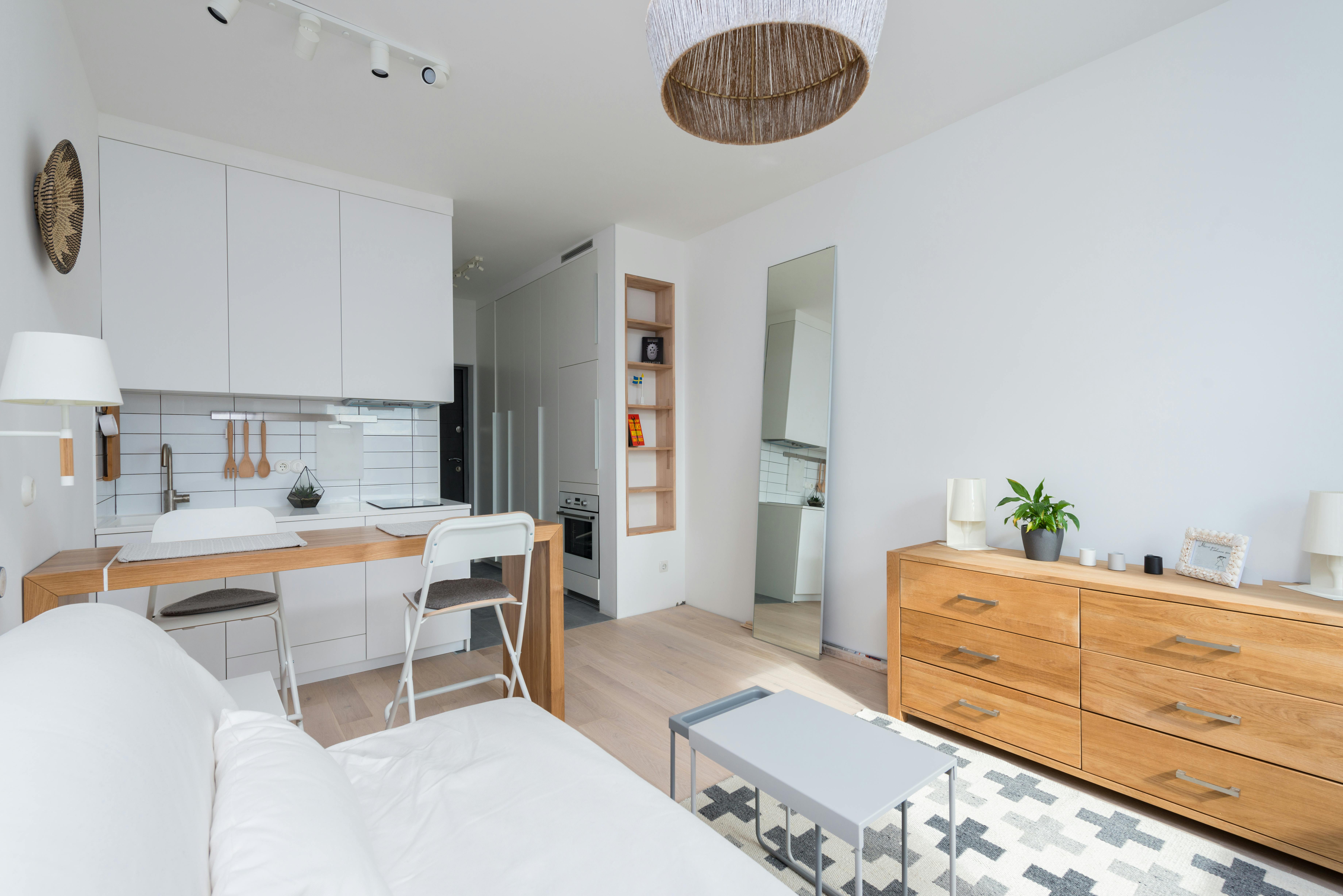
Scandinavian design embodies clean lines and a warm, inviting atmosphere. Emphasizing neutral color palettes, ample natural light, and sustainable materials, Scandinavian-inspired interiors perfectly balance minimalism and coziness.
The integration of soft textiles and the celebrated concept of hygge transform otherwise sparse spaces into comfortable, inviting homes. This style simplifies the visual experience and champions an environmentally friendly lifestyle to convey that minimalist design can be stylish and sustainable.
Smart Living Meets Minimalism: How Innovation Can Complement a Simplified Lifestyle
In bustling around the world, minimalism has evolved to meet the challenges of urban life. Open-concept layouts and minimalist decor help reduce visual clutter in tight spaces, while smart home technologies enhance functionality and efficiency.
Take New York apartments, for example. Modern, space-saving designs are integrated with smart solutions to create sleek and convenient environments. This blend of design simplicity and innovation illustrates how urban minimalism streamlines living spaces and supports a more organized, stress-free lifestyle.
Benefits of Adopting a Minimalist Lifestyle
By stripping away the excess, minimalism helps you focus on what truly matters while producing practical and psychological benefits beyond aesthetics. Here are some of the key advantages of embracing the lifestyle:
-
Reduces stress and promotes mental clarity
Scientifically, physical clutter can trigger anxiety and stress, whereas minimalism promotes mental clarity by providing a clear visual field. Indeed, a clutter-free space equals a clutter-free mind.
An environment that is organized and void of unnecessary distractions creates a calming atmosphere and lowers stress levels. With less visual noise, you can cultivate a meditative state that encourages mindfulness and productivity.
-
Saves money and encourages sustainability
Minimalism encourages you to invest in fewer, higher-quality items rather than buying impulsively. This practice is economical because it reduces wasteful spending on trendy, disposable products and supports a sustainable lifestyle.
When you opt for durable goods and prioritize essential purchases, you contribute less to the cycle of overconsumption and environmental degradation.
-
Increases functionality in homes
Minimalist design is deeply rooted in practicality. Every item in a minimalist space is chosen for its function. Homes designed with minimalism in mind often feature multi-functional furniture and innovative storage solutions that maximize space, especially in urban settings.
This approach ensures that every piece looks good and serves a purpose, whether it’s a fold-out desk, a sofa with built-in storage, or a compact kitchen layout. This functionality makes daily life more manageable and enjoyable.
-
Enhances aesthetic appeal
Many celebrate minimalist spaces for their timeless elegance and simplicity. By stripping away unwanted distractions, minimalist design creates clean spaces and harmonious proportions that evoke a sense of calm and sophistication.
The emphasis on high-quality materials and thoughtful composition creates visually appealing interiors that age gracefully over time. This makes it easy to integrate personal touches without losing that cohesive look.
Tips for Creating a Minimalist Home
Going minimalist entails designing a functional and serene space that lets you focus on what truly matters. Here are some helpful tips to start:
-
Start with decluttering
The journey to minimalism begins with decluttering, which involves assessing every item in your home and determining its worth. A popular way is the KonMari Method, which encourages you to hold each item and ask if it “sparks joy.” This reflective approach ensures you only choose items that contribute positively to your life.

Yes, decluttering can be emotionally challenging, but the reward is a home that feels lighter and more focused because every item has its purpose and place.
-
Prioritize multi-functional furniture
Investing in multi-functional furniture is a game changer when working with limited space. It helps reduce the number of items needed and streamlines your daily routines such that each piece contributes actively to your home’s functionality.
Look for pieces that combine aesthetics with practical utility: storage ottomans that serve as extra seating, coffee tables with hidden compartments, or foldable dining tables that can be expanded for guests and compressed for everyday use.
These versatile pieces maximize every square inch of your home while maintaining a smooth, uncluttered look.
-
Use a neutral color palette
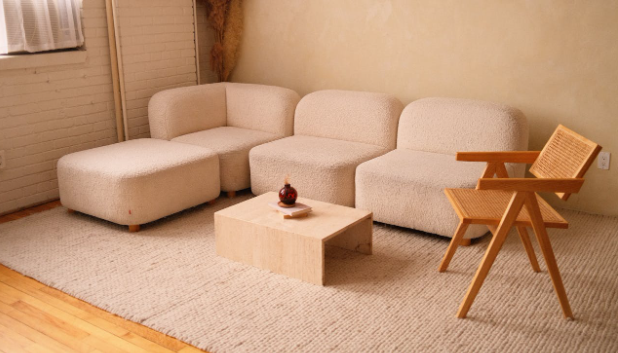
A neutral color palette forms the backbone of minimalist design. Sticking to hues like whites, grays, and earth tones creates a visually cohesive space that exudes calm and simplicity. Neutral colors as a blank canvas allow the natural textures of your furniture and decor to shine without visual competition.
This approach amplifies the sense of space and adapts the environment to seasonal changes and personal style tweaks. You only need to maintain a consistent color scheme to achieve a timeless, elegant, and relaxing look.
-
Embrace natural light
Natural light is a core element in minimalist interiors, as it opens up spaces and enhances the clarity of your design. To make the most of available daylight, opt for minimal window treatments—think sheer curtains or blinds that allow light to filter through unobstructed.
The interplay of natural light and shadow can add depth and interest to your space while reducing the need for artificial lighting during the day. Maximizing natural light also contributes to a healthier living environment, making your home feel more open, inviting, and in tune with the outdoors.
- Incorporate greenery
Indoor plants infuse life into a minimalist home. Greenery is a natural decor element, improves air quality, and boosts overall mood.
Choose easy-to-care-for plants that complement your space’s neutral color scheme. Succulents, ferns, or a modest potted tree can be focal points that don’t overwhelm the design.
The Future of Minimalist Living
Among the key trends on the horizon is the integration of eco-conscious elements and smart home technology. Homeowners are increasingly prioritizing sustainability to create the home of their dreams—from energy-saving appliances to renewable materials and low-waste construction methods—while embracing smart systems that monitor and optimize resource usage.
This fusion of green technology and minimalism reduces ecological footprint and creates a more streamlined, intuitive living environment where technology works in the background to enhance comfort and efficiency.
Another notable evolution is the rising popularity of tiny minimalist homes. As housing markets become more competitive and environmental concerns grow, tiny homes offer a compelling solution by maximizing functionality in a small footprint.
These compact living spaces are stylish and practical, demonstrating that a high quality of life doesn’t require excess space. The tiny home movement is reshaping global housing solutions, providing affordable, sustainable alternatives that challenge traditional home size and consumption ideas.
As global connectivity increases and cultural exchanges flourish, minimalist living will continue to evolve, inspiring communities worldwide to create harmonious, practical spaces that genuinely enhance everyday life.
Clear Spaces, Clear Mind
Minimalist living offers a clean, clutter-free home and more; it paves the way for reduced stress, improved functionality, and a sustainable lifestyle. By embracing intentionality, you invest in quality over quantity and mental clarity without the stress.
What’s more, minimalism adapts seamlessly to various cultures while upholding the core principles of simplicity and functionality. As the trend evolves with eco-friendly practices and smart technology integration, expect it to constantly redefine modern living.
Ready to experience the benefits of minimalist design in your dream home? With FNG, a trusted real estate developer in the Philippines, it’s possible. Our pre-selling condo in Mandaluyong allows you to create a mindful and fulfilling space to relax and unwind after a hard day.
Contact us today to learn more about our projects.